During-effort fuel · gel · reviewed 28 Aug 2026
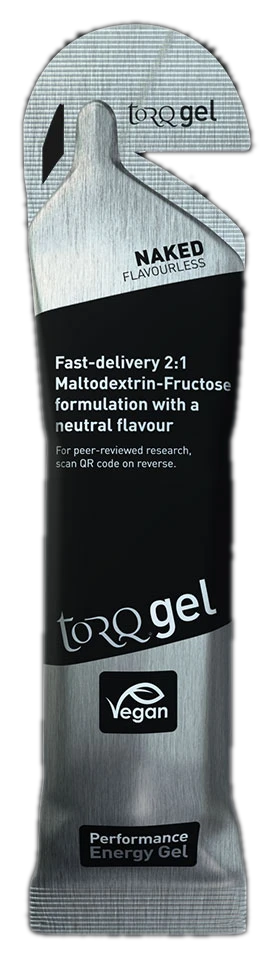
TORQ Energy Gel 44
Publishes its exact ingredient percentages (maltodextrin 43%, fructose 21%), computing to the same 2:1 ratio as PowerBar, plus a genuine electrolyte blend of calcium, potassium and magnesium beyond plain sodium, at 10 cents a gram.
Score breakdown
Each dimension below is scored 0 to 100 against a fixed scale, not against the rest of the catalog, so adding a product never moves this number. The overall score is the average of the dimensions this product declares data for. How the scales are set →
Comparison
5 of 38 gels heldPrices per single sachet at the cheapest box size we track. Best in green, worst in red, across the gels shown.
| Measure | TORQ TORQ Energy Gel | Maurten Maurten Gel 100 | Science in Sport SiS Beta Fuel Gel | Precision Fuel & Hydration Precision Fuel PF 30 Gel | NEVERSECOND NEVERSECOND C30 Gel |
|
|---|---|---|---|---|---|---|
| Overall scoreAn average of the various variables measured. | 44 | 47 | 58 | 49 | 42 | |
| CarbohydrateHow much fuel one sachet carries. | 28 g | 25 g | 40 g | 30 g | 30 g | |
| Glucose : fructoseGoverns how fast you absorb it. More fructose, higher ceiling. | 1 : 0.5 | 1 : 0.8 | 1 : 0.77 | 1 : 0.5 | 1 : 0.5 | |
| SodiumAgainst 400 to 1000 mg an hour typically lost in sweat. | 49 mg | 20 mg | 30 mg | not declared | 200 mg | |
| ProvenanceWhether that ratio is read off the panel, computed from it, or inferred. | Derived | Stated | Derived | Stated | Stated | |
| Price per sachetWhat one costs. Not comparable across sachet sizes. | $2.80 | $3.75 | $2.50 | $3.12 | $3.50 | |
| Cost per gramThe only price that compares across sachet sizes. | 10 cents | 15 cents | 6.3 cents | 10.4 cents | 11.7 cents | |
| Sachets for 90 g/hrHow many you open an hour to hold a 90 g/hr target. | 3.2 | 3.6 | 2.3 | 3.0 | 3.0 |
Verdict
what it does · what it costsWhat it does well
- Publishes declared ingredient percentages, so the 2:1 ratio is computed rather than trusted.
- Includes calcium, potassium and magnesium alongside sodium, not just sodium chloride.
- 28 g of carbohydrate a sachet, above the category median.
What it costs you
- 2:1 is behind the field-leading 1:0.8/1:0.77 blends on rate ceiling.
- 10 cents a gram, more than SiS Beta Fuel for an older ratio.
- Sold in boxes of 15 rather than the more common 20 or 24, a smaller bulk discount.
Where to buy
Prices and links as last checked. The price next to the name above is per unit at the cheapest box size we track; a single-unit price below may run higher.
Who this is for
the numbers, appliedThe field tells you what it is. This is who should act on it.
Worth the money if
- You want a broader electrolyte profile than just sodium, computed from a declared label.
- You're fuelling at a moderate rate.
Look elsewhere if
- You're targeting 90 g/hr or above and want the best available ratio.
- You want the lowest cost per gram in the category.